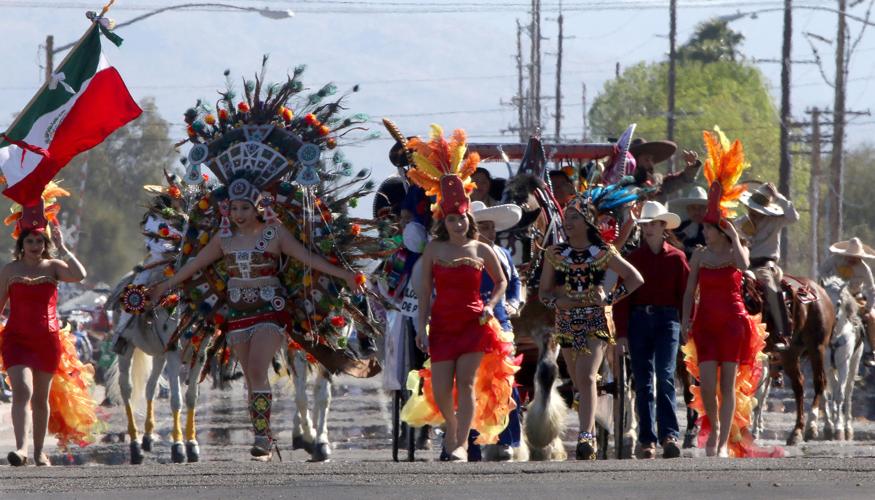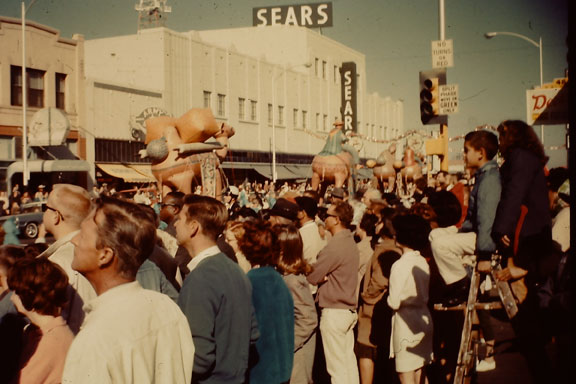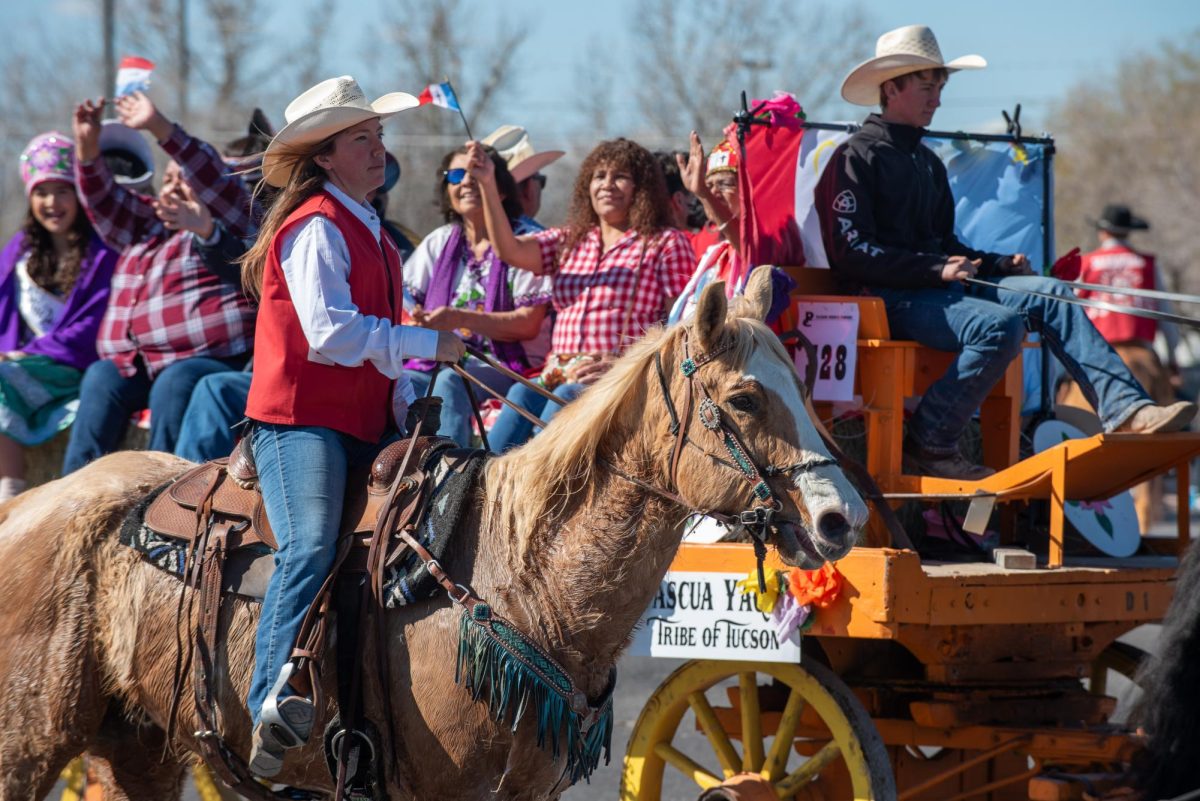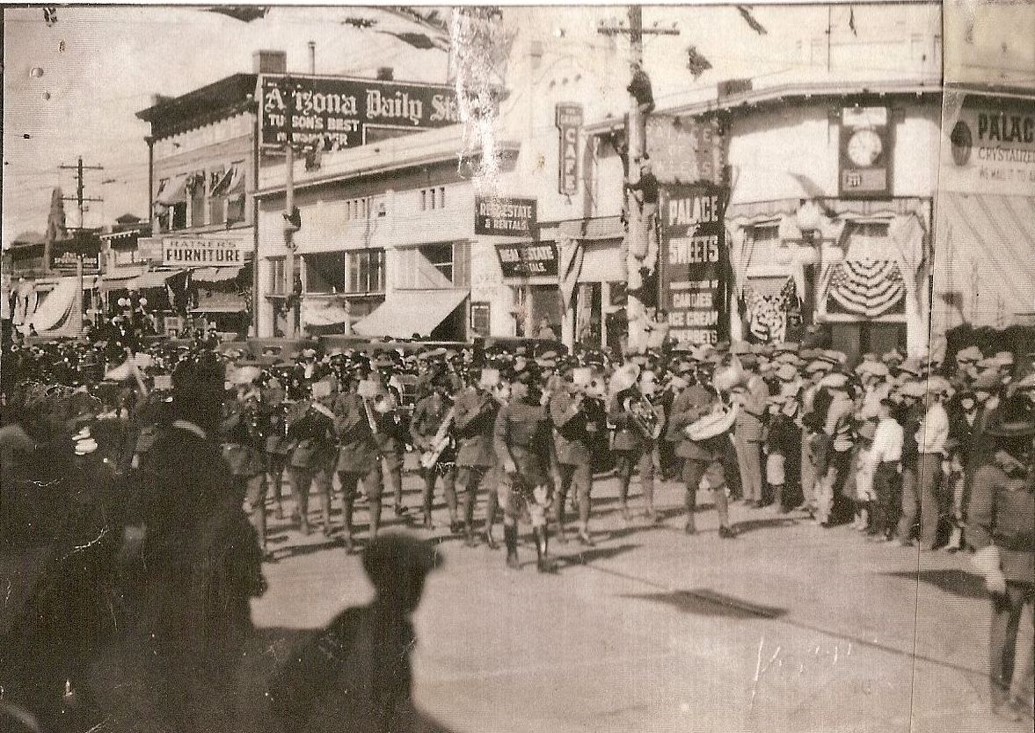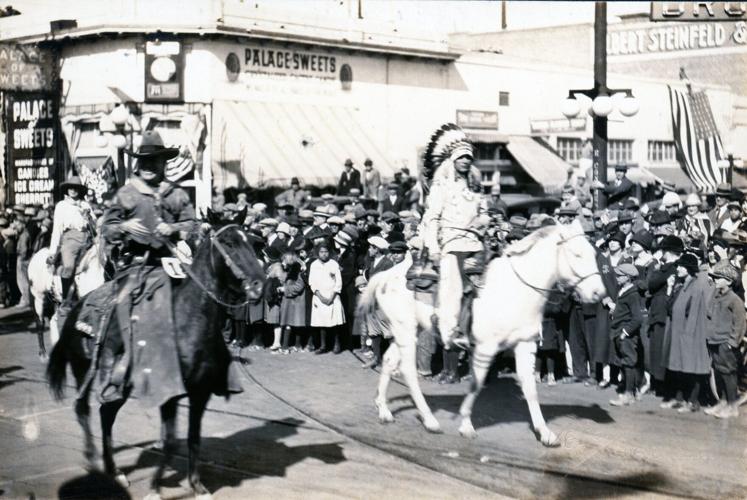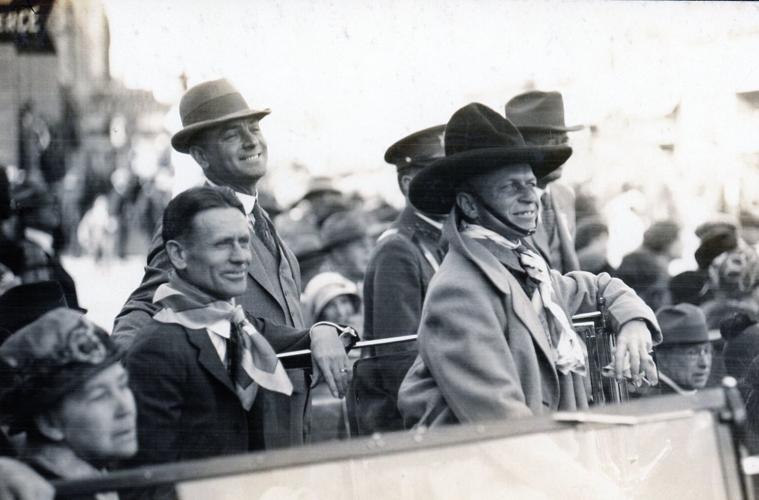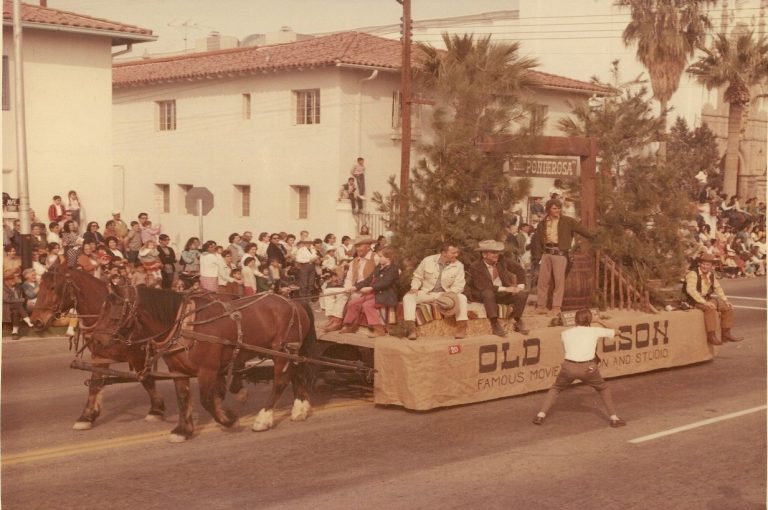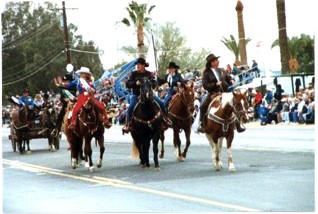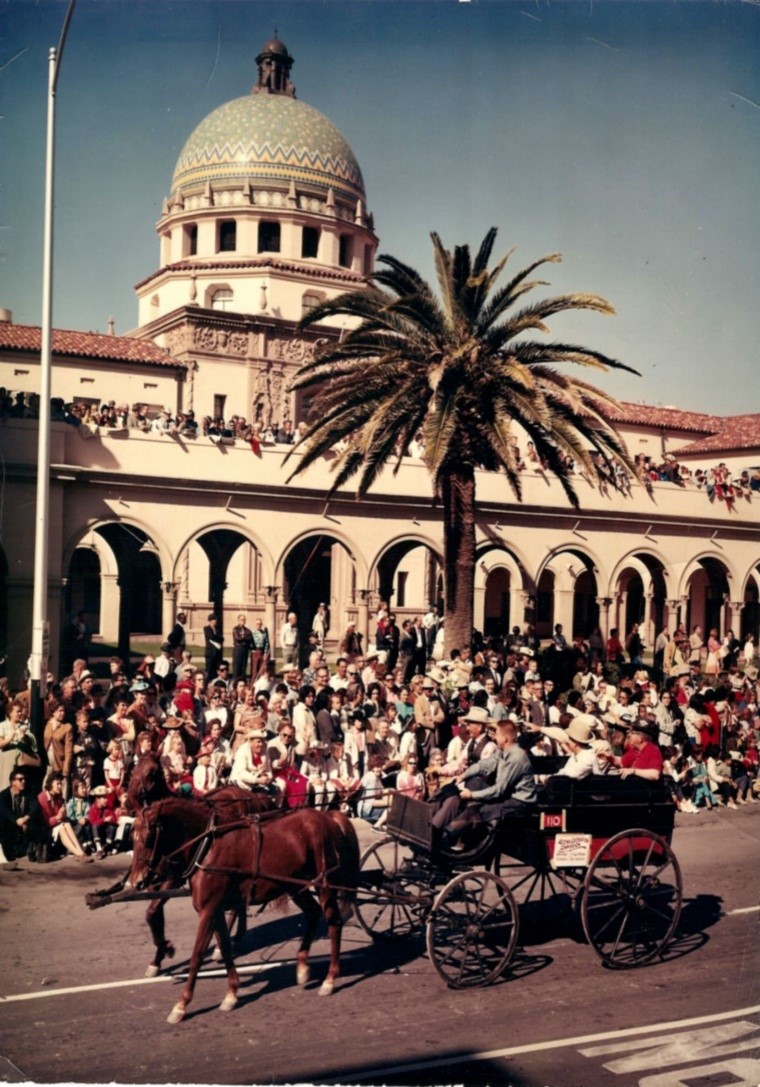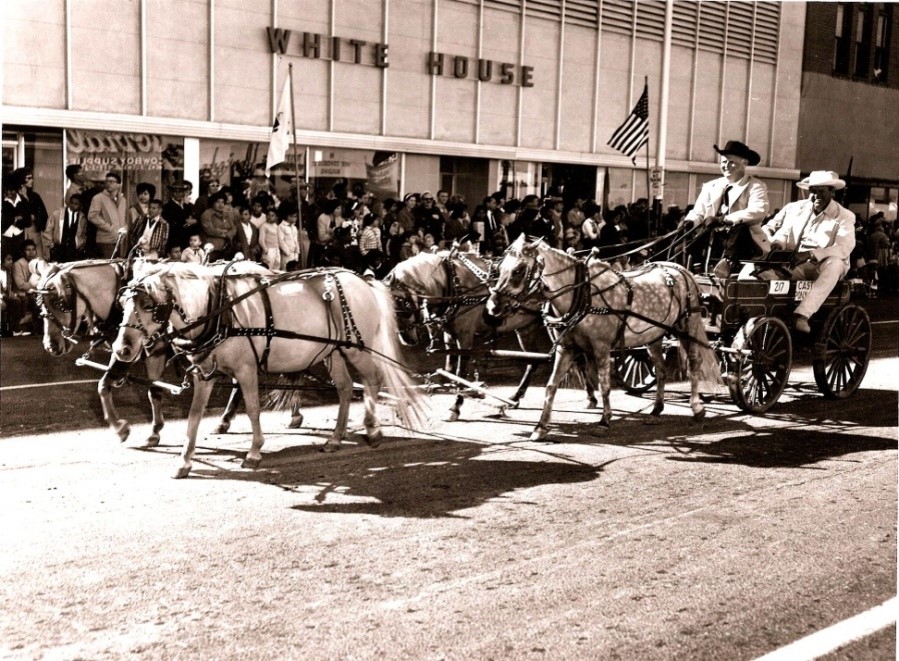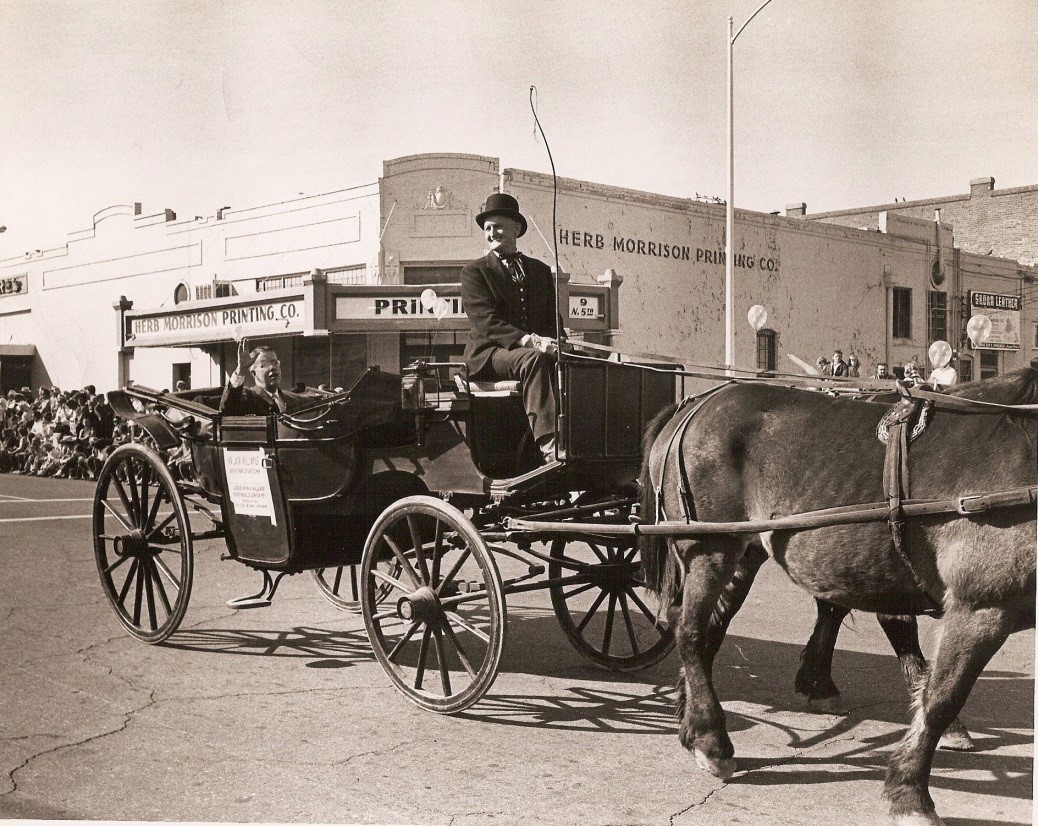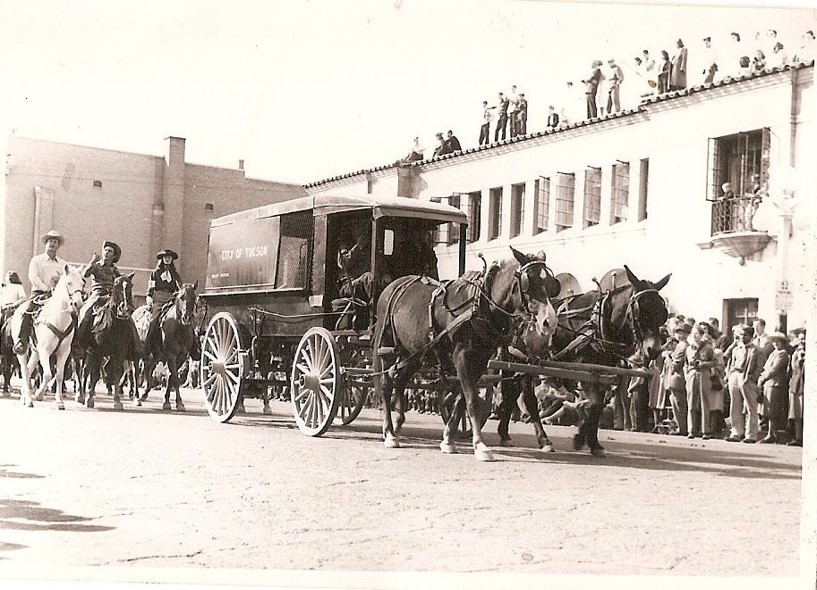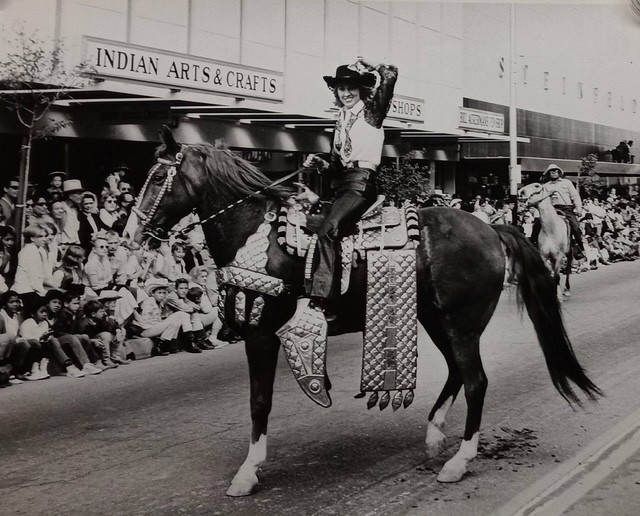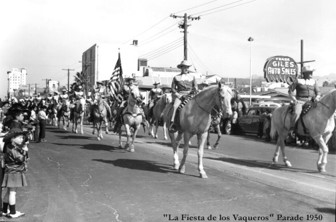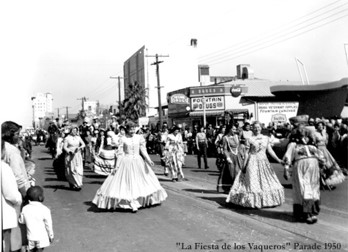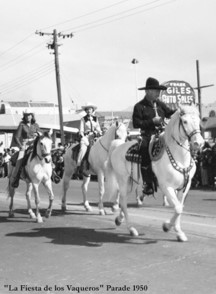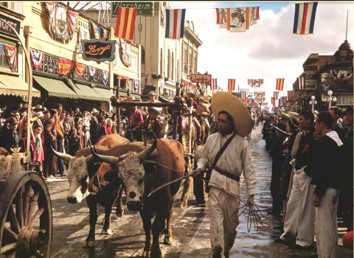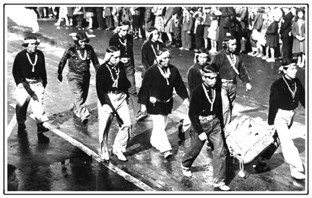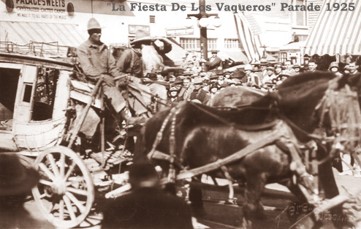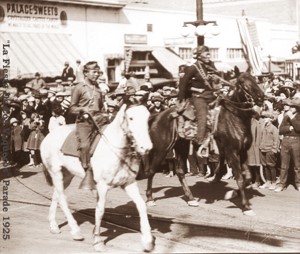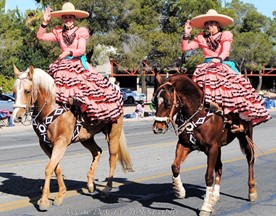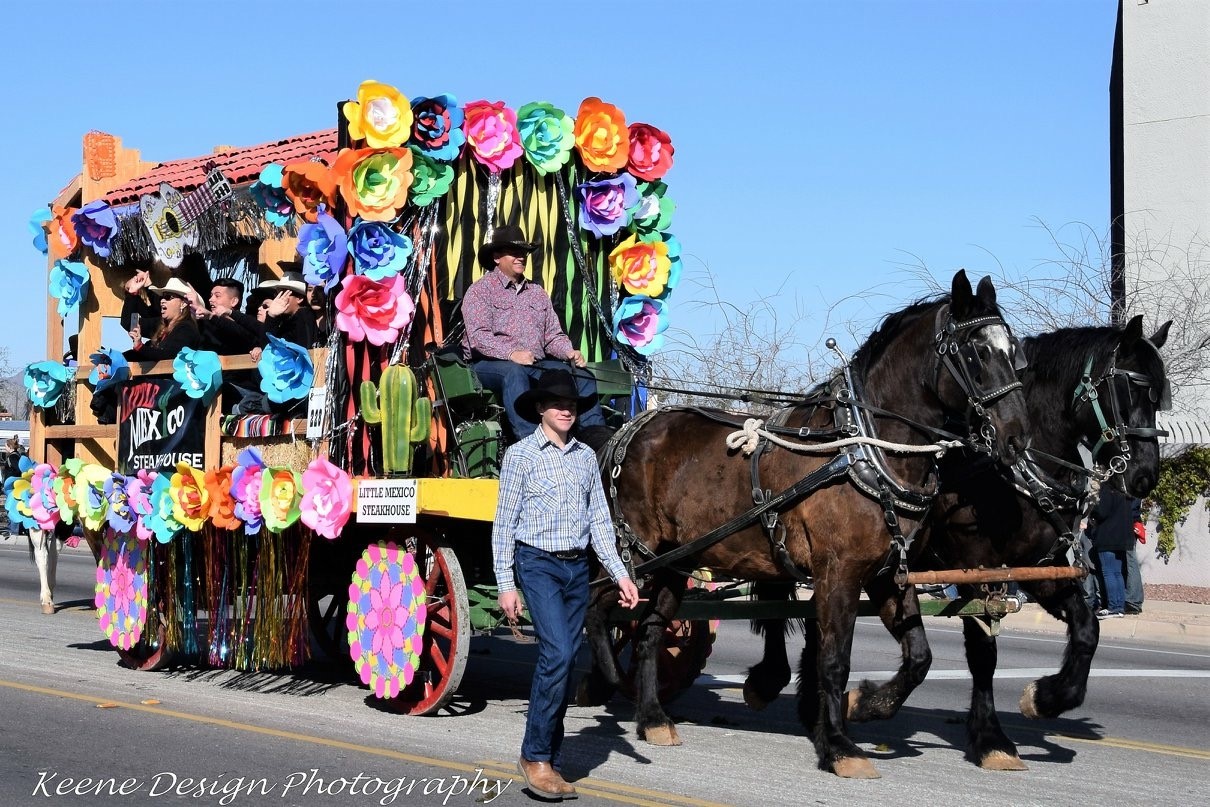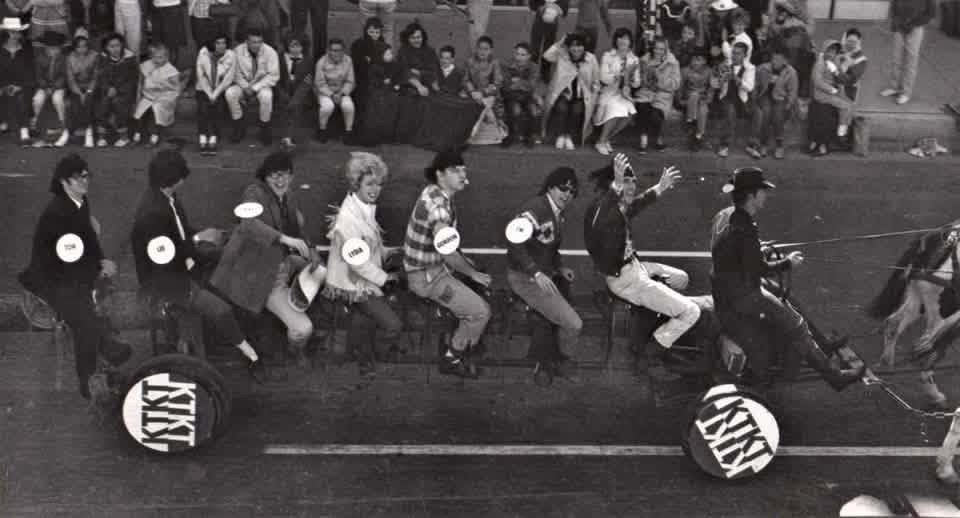
Launched in February 1925, the Tucson Rodeo Parade is the largest non-motorized parade in the United States and a celebrated highlight of Tucson’s La Fiesta De Los Vaqueros. It was originally conceived by Philadelphia businessman Leighton Kramer as a way to promote the city’s frontier spirit and raise funds for his Arizona polo club. The parade began as a promotional event to lead spectators directly to Kramer Field (the rodeo’s first location near the current University Medical Center). As the event rapidly grew in popularity, the rodeo and its accompanying parade moved in 1932 to larger, permanent grounds at South 6th Avenue and Irvington Road, where the event is still held today.
The parade remains highly unique for a few key reasons:
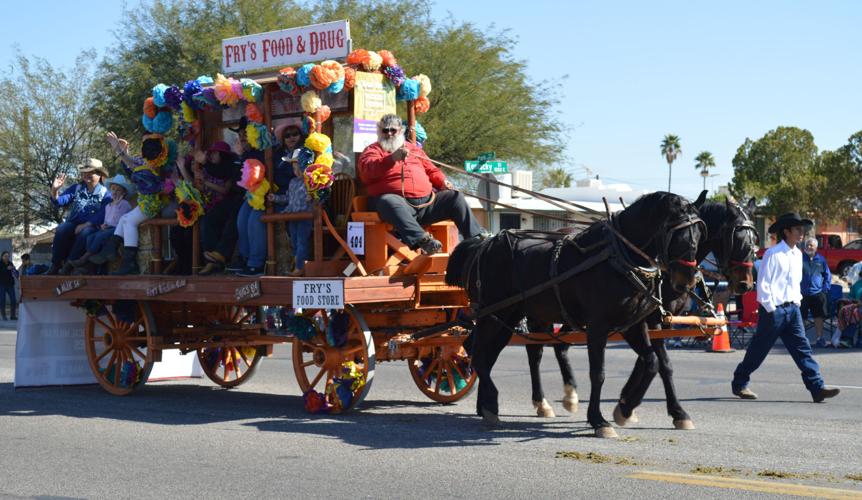
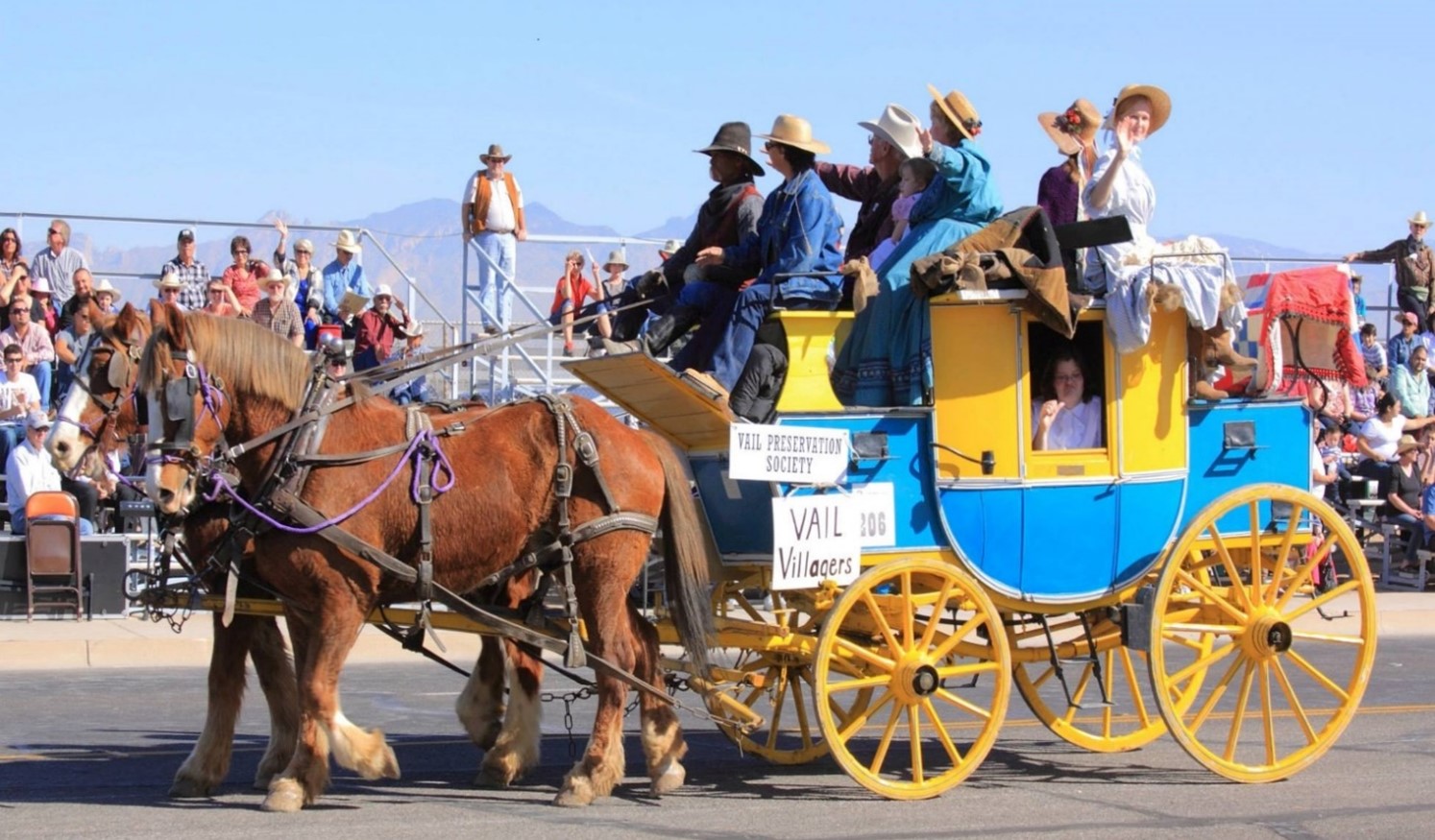
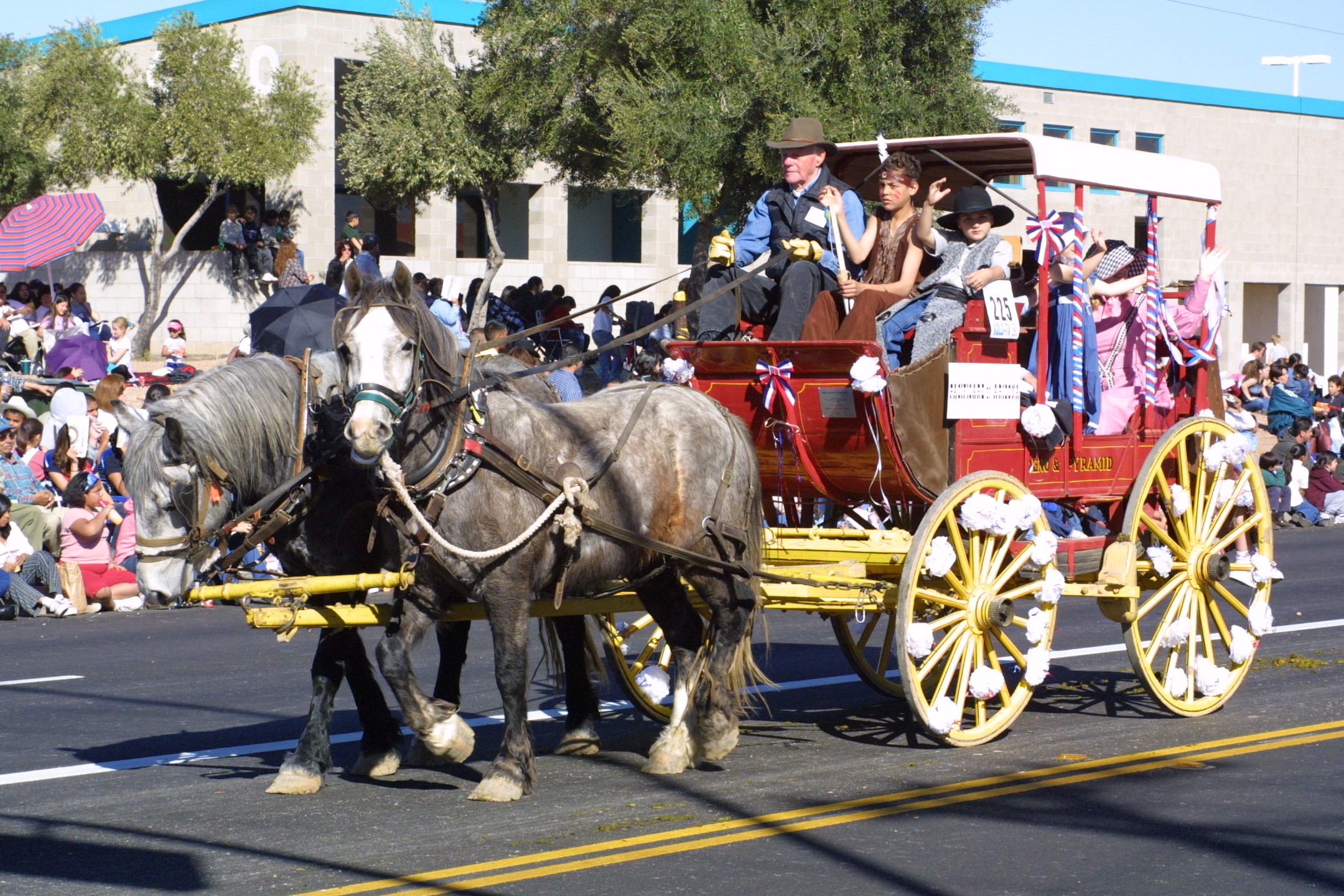
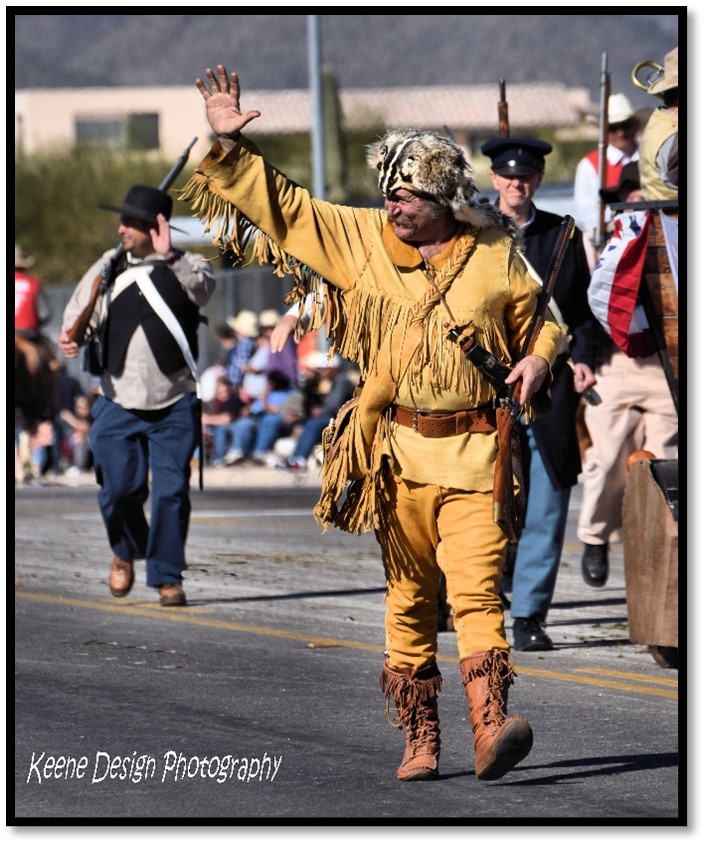
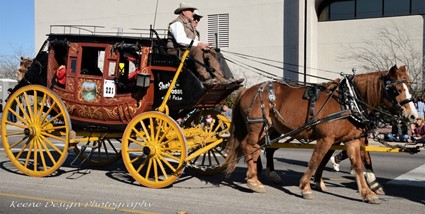
- No Motorized Vehicles: Although the first parades had cars and trucks, since the 1940’s, no motorized vehicles (like cars or modern trucks) are allowed in the parade, which exclusively features horses, marching bands, and authentic horse-drawn carriages.
- The Tucson Wagon & History Museum: Many of the vintage stagecoaches and buggies seen in the procession are drawn from the Tucson Wagon & History Museum, which houses a massive, impeccably restored collection of historic horsedrawn vehicles.
- A Citywide Holiday: The parade is such a massive cultural and community staple that local Tucson-area schools traditionally shut down for two days so families and students can attend the festivities.
Over its century-long history, the parade’s route has occasionally shifted. Originally running through Downtown Tucson, the route was changed for safety reasons to the streets near the Tucson Rodeo Grounds. It now begins at South 12th Avenue and Drexel Road, moving East to Old Nogales Highway, and ending at Irvington Road to avoid conflicts with Union Pacific Railroad train schedules. For a look at the historical evolution of the parade and the cherished traditions of La Fiesta De Los Vaqueros.